
| Spring 2026 6 Week Session |
||
|---|---|---|
| MARCH | APRIL | MAY |
| March 28th, 2026 | **OFF Apr 4th OFF** | May 2nd, 20206 |
| April 11th, 2026 | May 9th, 2026 | |
| April 18th, 2026 | ||
| April 25th, 2026 | ||
Program | Class Length | Saturday - 6 Weeks |
|---|---|---|
Penguins (ages 1.5 – 3.5 years) FULL | 15 minutes | $90 |
Polar Bears Special Abilities FULL | 20 minutes | $105 |
Beginner Learn to Skate (Level 1 & 2) FULL | 30 minutes | $165 |
Advanced Learn to Skate / Power Skate (Level 3 and up) FULL | 50 minutes | $205 |
Tween/Teen/Adult Learn to Skate FULL | 50 minutes | $205 |
Learn to Play Hockey "Frostbytes" FULL | 50 minutes | $275 |
The Ice Shed supports all skaters of all ages and abilities in realizing their skating goals, by providing quality coaching, small group setting, in a fun, inviting environment.
We are committed to the development of skaters & players and instilling a lifelong joy of on ice activities.
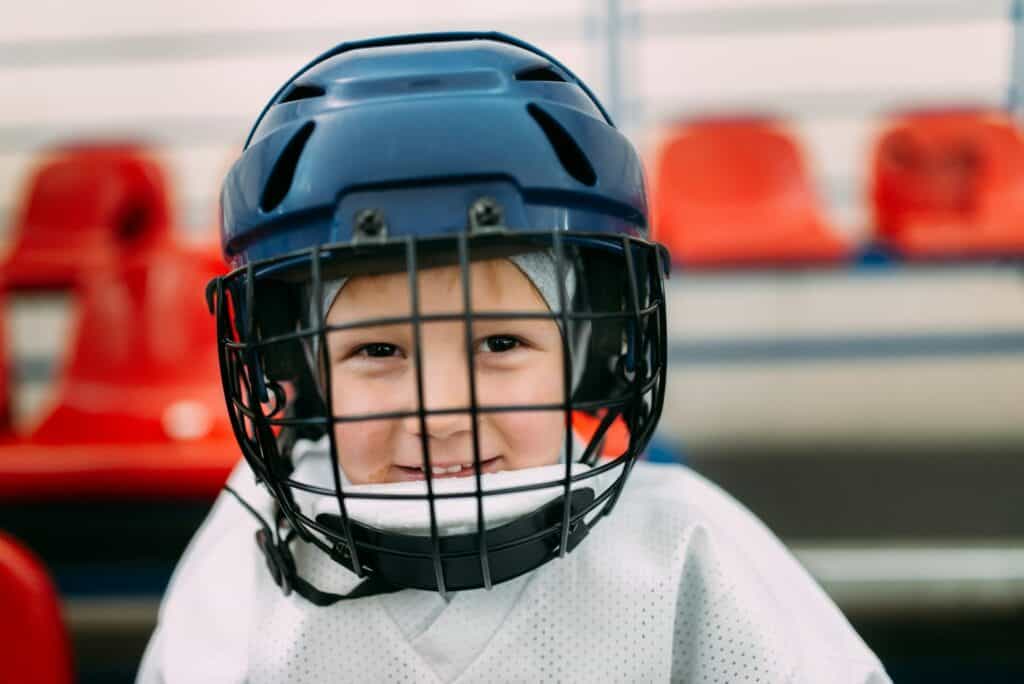
Our Learn to Skate programs utilize small class sizes and experienced qualified instructors and volunteers to achieve the best results in a fun, non-overwhelming environment.
We limit our class sizes to ensure personal instruction.
Our Hockey programs utilize small class sizes and experienced qualified instructors and volunteers to achieve the best results in a fun, non-overwhelming environment.
We limit our class sizes to ensure proper instruction.
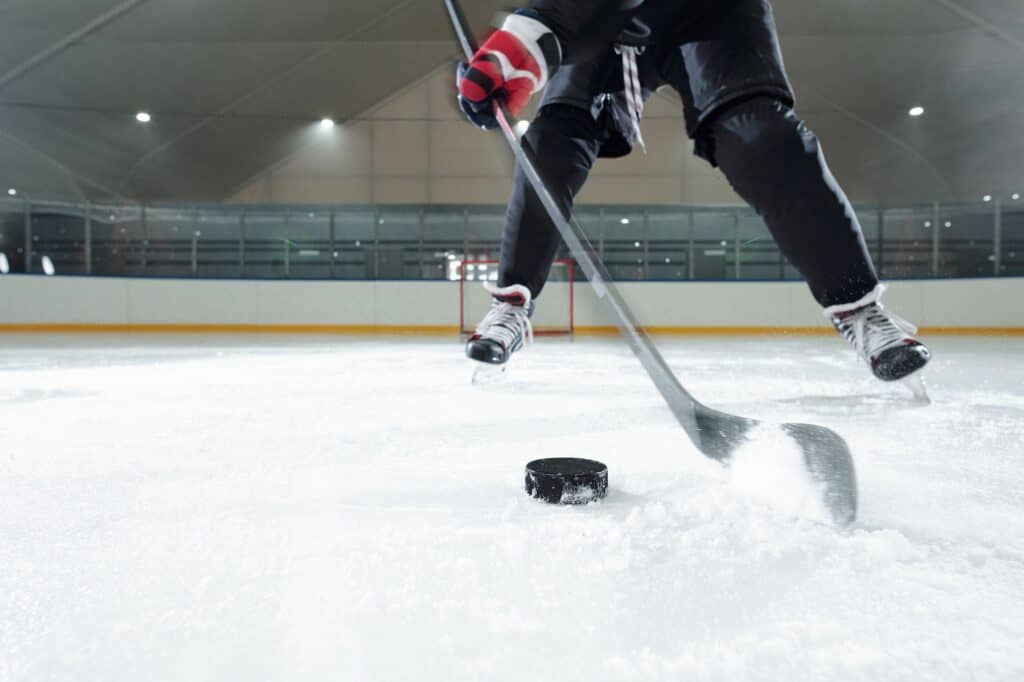
My son first took skating lessons with The Ice Shed when he was a new skater of about 5 years old. Fun games and drills led by engaging instructors helped hold his interest while he developed fundamental skating skills. Recently, he has returned to The Ice Shed for lessons to further develop his skating skills. He looks forward to his weekly lessons with knowledgeable instructors who encourage and support his development on the ice. Now a teenager, he really appreciates the small class size where he receives plenty of attention and can ask questions as needed. The welcoming environment at The Ice Shed has really helped him feel more comfortable and confident on the ice. We highly recommend The Ice Shed!
I've felt each week I've progressed. I'm excited each week for my lesson. I really appreciate what The Ice Shed staff do